



Article: Race Week Without the Panic: Tips and Tricks to Nail your Race Day
Race Week Without the Panic: Tips and Tricks to Nail your Race Day
Race season is well and truly here. The long runs are in the bank, the early alarms have been survived and you have probably spent more time thinking about shoes than any reasonable person should.
City2Surf is around the corner, Sydney Marathon is creeping closer, Melbourne Marathon is waiting further down the calendar, and there are plenty of half marathons, local races and run-club hit-outs happening in between.
The final week is not about squeezing in more fitness. It is about getting to the start line rested, fuelled and confident enough to use the fitness you already have.
Here is how we would approach it.

Race Week Isn't The Time To Get Fitter
There is always a point in race week when runners start negotiating with themselves.
Maybe one more long run would help. Maybe one last hard session would sharpen things up. Maybe the taper is making you lose fitness.
It is not.
By race week, the work has been done. You are far more likely to hurt your performance by carrying extra fatigue into the race than by doing too little in the final few days.
Keep moving, but pull the volume back. A couple of easy runs and a few short, controlled efforts at race pace are enough to stop the legs feeling sleepy. The rest of the week should be fairly uneventful: sleep well, eat normally and try not to analyse every tiny ache that suddenly appears.
Taper legs can feel heavy. That does not mean your fitness has disappeared.
It usually means your body is finally getting a chance to recover.
Carb Loading Is Not One Enormous Bowl of Pasta
Carbohydrate loading gets treated like a competition to see who can eat the largest dinner the night before a marathon.
That is not really the idea.
For a marathon, start increasing your carbohydrate intake around two to three days before the race. You do not necessarily need to eat much more food overall. Instead, shift the balance of your meals towards familiar, carbohydrate-rich options.

Rice, pasta, bread, oats, potatoes, cereal, fruit, bagels and sports drinks can all help. It is also worth pulling back slightly on very fatty or high-fibre foods if they tend to make your stomach unpredictable.
For City2Surf, a 10K or a shorter event, you do not need to approach the weekend like you are storing supplies for winter. A familiar carbohydrate-based dinner and a solid breakfast will usually do the job.
The main rule is not particularly exciting, but it works: race week is a bad time to experiment.
Race Morning: Eat What You Know
Breakfast should feel boring.
That is a good thing.
Eat roughly two to three hours before the start, using foods you have already tested before training runs. Toast with jam, oats with banana, a bagel, crumpets, rice pudding or cereal can all work. Coffee is fine too, provided coffee is already part of your routine.
If you normally struggle to eat early, a lighter breakfast followed by an energy gel or carbohydrate drink closer to the start may be easier to manage.
Do not copy someone else’s breakfast because they ran a fast marathon once. Your stomach does not care about their Strava time.
Start Fuelling Before You Need It
Waiting until you feel flat is one of the easiest ways to make a long race much harder than it needs to be.
For events lasting longer than around 90 minutes, most runners should aim for approximately 30–60 grams of carbohydrate per hour.
Marathon runners who have practised higher intakes in training may be able to take 60–90 grams per hour.
That second range is not something to introduce on race day. Your gut needs training too.
A simple marathon plan might look like this:
- Take one gel around 10–15 minutes before the start.
- Begin fuelling again about 25–30 minutes into the race.
- Continue taking carbohydrates at regular intervals rather than waiting for hunger.
- Drink small amounts at aid stations, especially when taking gels that are designed to be consumed with water.
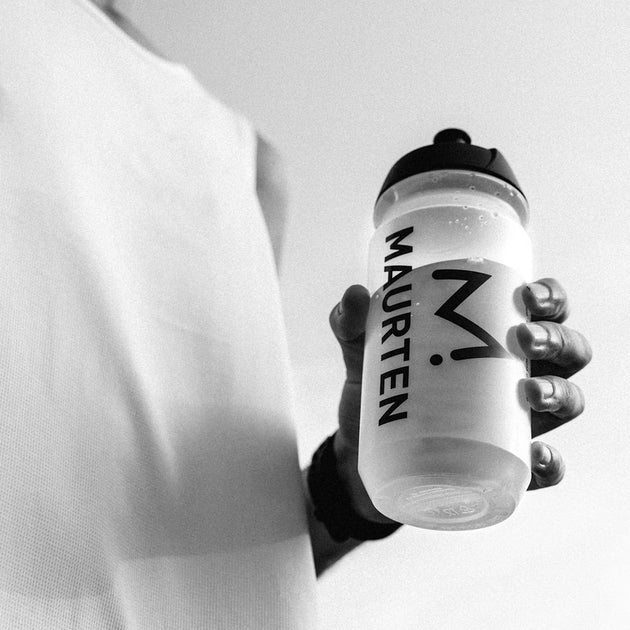
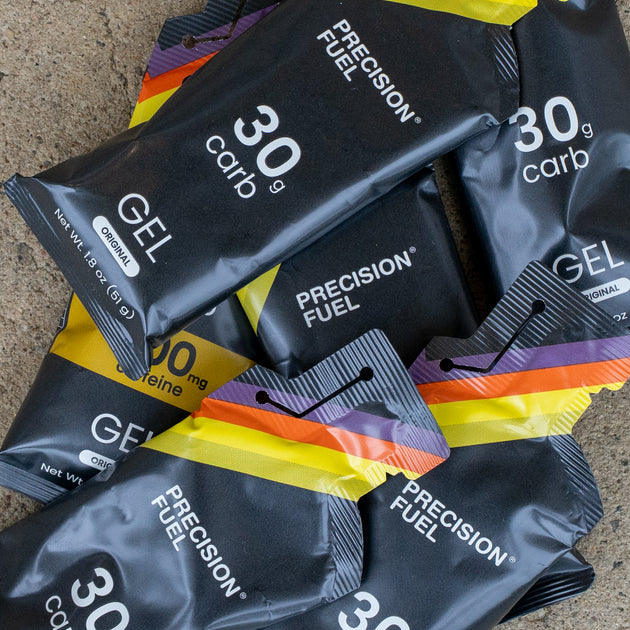
The exact timing depends on the product. You can explore our full range of running gels and chews, including options from Maurten, Precision Fuel & Hydration and PURE Sports Nutrition.
 Hydration matters just as much as your fuelling plan. As a general guide, aim for 500mL–1L of fluid and 500–1,000mg of sodium per hour, depending on the conditions and how much you sweat. Most races have aid stations roughly every 5km, which can cover a good portion of your fluid needs, but if you're a heavier sweater or racing in warm conditions, consider carrying a soft flask or handheld bottle to stay on top of your hydration.
Caffeine can also help later in a race, but treat it with some respect. If you have not practised using caffeinated gels, race day is not the time to discover that three of them make your heart feel like a drum solo.
For City2Surf, many runners will be fine without taking fuel during the race. A gel shortly before the start can still be useful if you expect to be running for more than an hour or you have had an early breakfast.
The Fastest Shoe Is the One You Trust
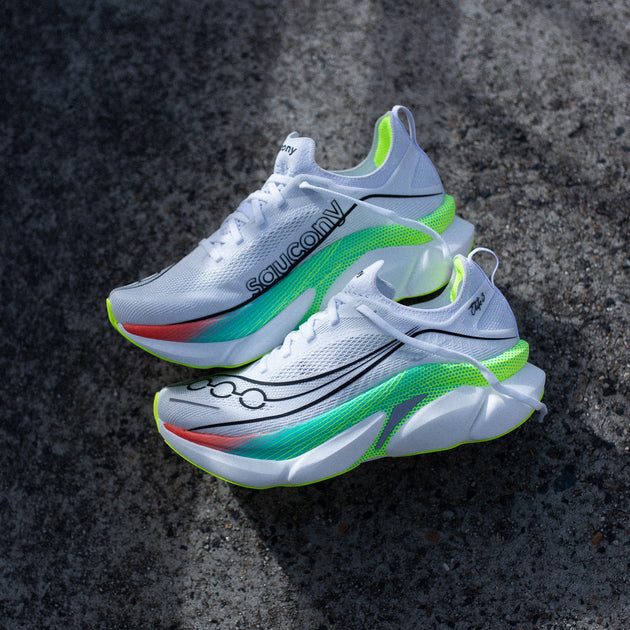
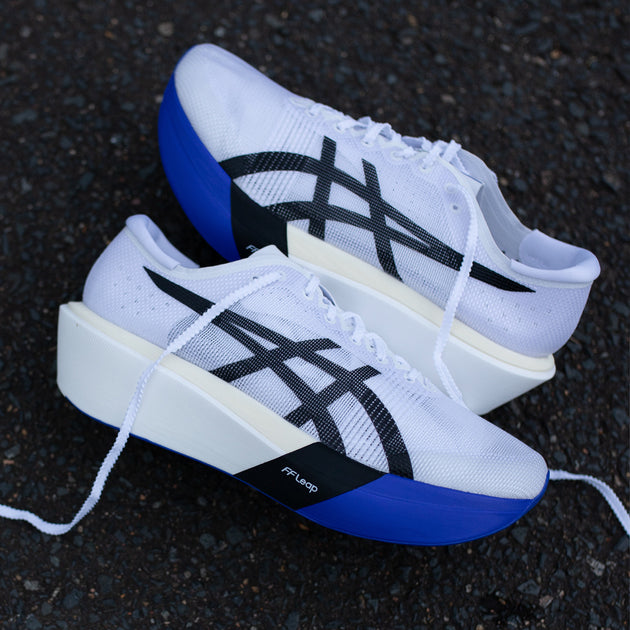
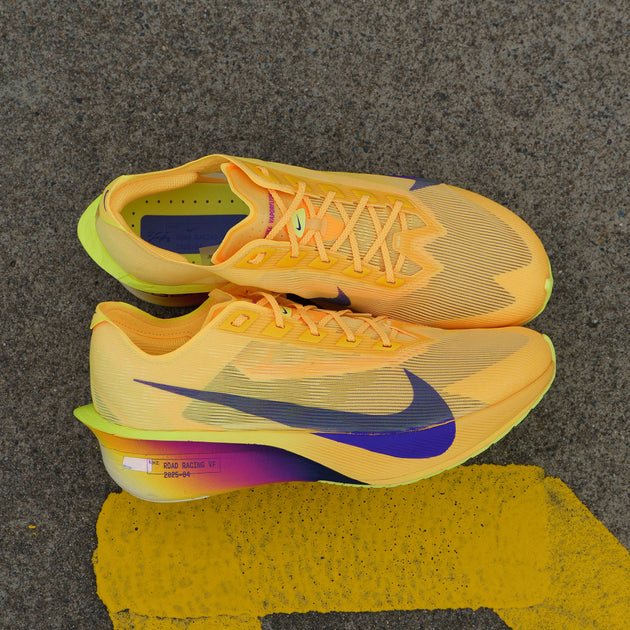
A carbon-plated super shoe may improve running economy and help you hold pace more efficiently, particularly over the marathon. But they need to be tested well before race day or even race week. If you're more comfortable wearing a daily trainer or tempo trainer as a more durable, safer option, that would be the better shoe for you, especially as the race distance increases.
 Your race-day shoes should already have a few runs in them. Ideally, that includes at least one session at race pace and, for marathon shoes, a longer run where you can see how they feel once the legs get tired.
City2Surf also brings its own challenge. The course rewards a shoe that feels quick on the faster sections but still gives you enough stability and cushioning once the hills arrive.
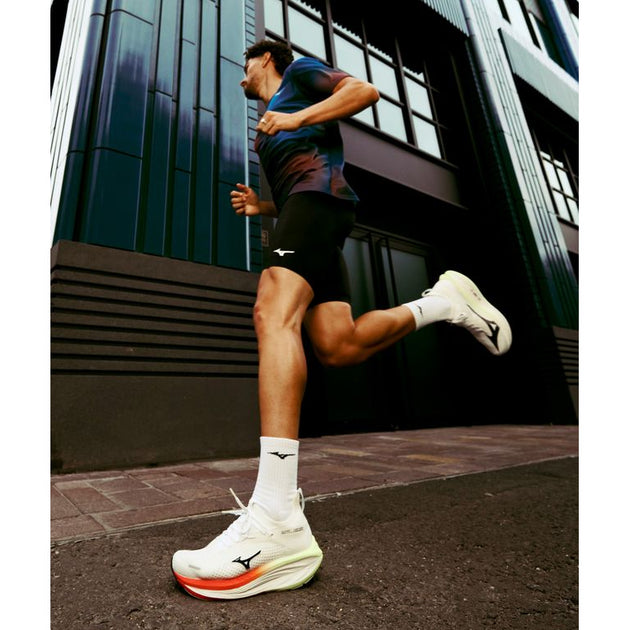
Whether you are leaning towards an adidas Adios Pro, ASICS Metaspeed, Nike Alphafly, New Balance SC Elite, On Cloudboom Strike or another race-day running shoe, choose the one that suits your stride and feels good under you.
Do not pick your shoe purely because someone faster wears it.
The First Few Kilometres Are a Trap
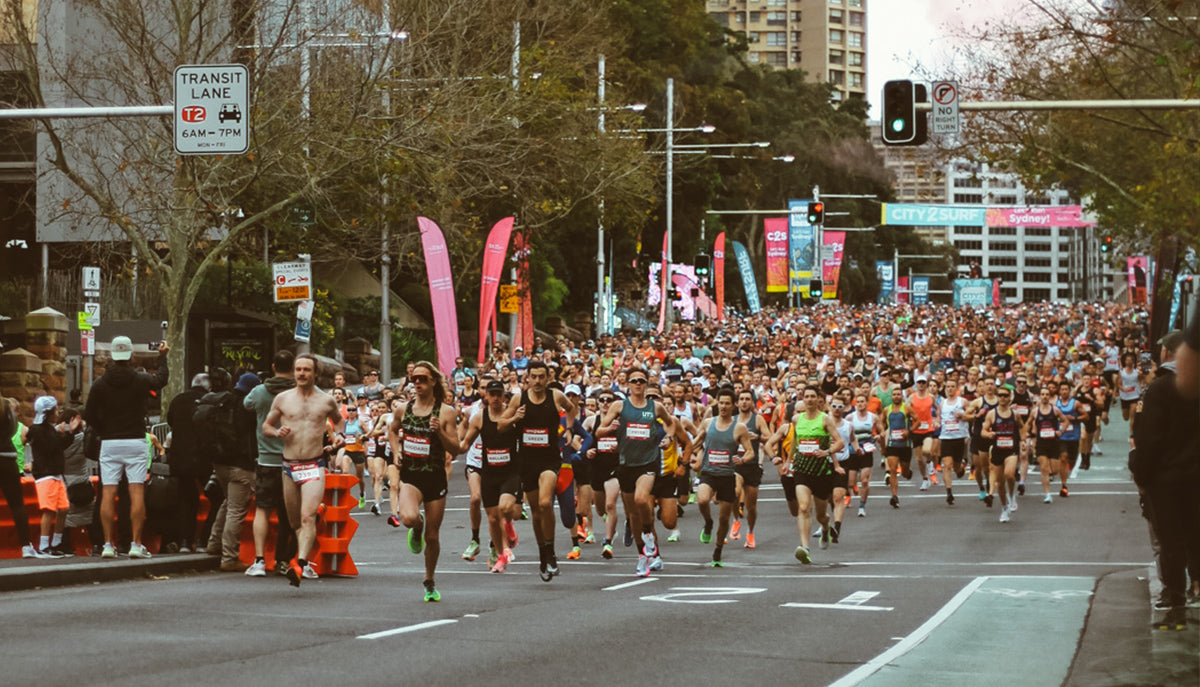
The start line is loud. Everyone is moving quickly. Your legs feel fresh, your watch is showing a pace you have never held in training and, somehow, it all feels incredibly easy.

This is where sensible race plans go missing.
For a marathon, aim to settle into your planned pace gradually over the opening few kilometres. If your target is 5:00 per kilometre, there is no prize for running the first kilometre in 4:35. The time you “bank” early is usually borrowed at a very high interest rate.
Hold your goal pace through the middle of the race. Once you get beyond 30 kilometres, you can decide whether there is anything left to use.
For a half marathon, stay controlled for the first three to five kilometres, settle into goal pace through the middle and start racing properly in the final third.
City2Surf needs a little more flexibility. Avoid burning too much energy early, keep the effort controlled through the opening kilometres and be ready for the climb towards Heartbreak Hill. Pace may slow on the hills, and that is fine. Focus on effort rather than fighting the watch.
For any distance, ensure you are managing effort on the hills. That usually means backing off the pace on the ups, and picking up the pace on the downs appropriately. If you’re able to keep your effort consistent despite the undulations, you’ll avoid having unnecessary spikes in heart rate that may cost you later down the road.
You Have Already Done the Hard Part
Whether you are preparing for City2Surf, the Sydney Marathon, Melbourne Marathon or a race much closer to home, the final week is not the time to search for a miracle.
Keep the taper simple. Eat familiar food. Fuel early. Wear shoes you trust. Start with some patience.
Most importantly, remember that race day is meant to be enjoyed.
Months of training have already got you there. The job now is to turn up, stick to your plan and see what the day brings.
For everything you need before the start line, explore our range of race-day shoes, running nutrition and gear online, or visit your nearest Pace Athletic store for personalised advice.